Yuzu Money
End-to-end Web3 architecture — front end, back end, infrastructure and smart contracts — for a platform curating on-chain structured products.
- Client
- Yuzu Money
- Sector
- Fintech · Web3
- Scope
- FE · BE · Infra · Smart contracts
- Status
- Shipped
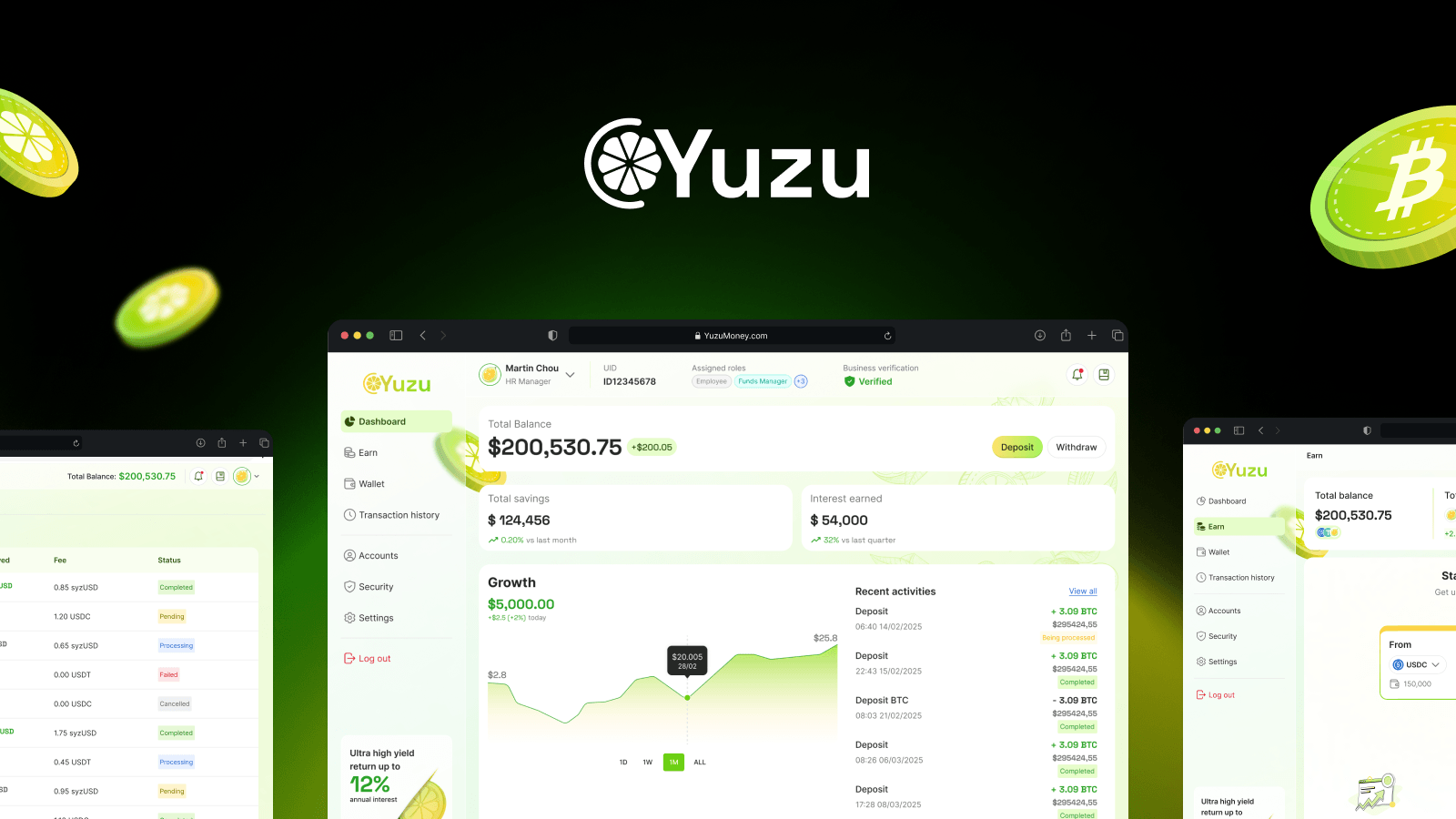
Yuzu packages on-chain structured products for people who want the yield without running the positions themselves. That means the hard parts are all on the same side of the line: the contracts that hold the money, the infrastructure that watches them, and an interface that has to make both legible.
We took the whole stack, which is the only way the three stay consistent — a balance shown in the app is the balance the contract holds, and the history behind it reconciles.
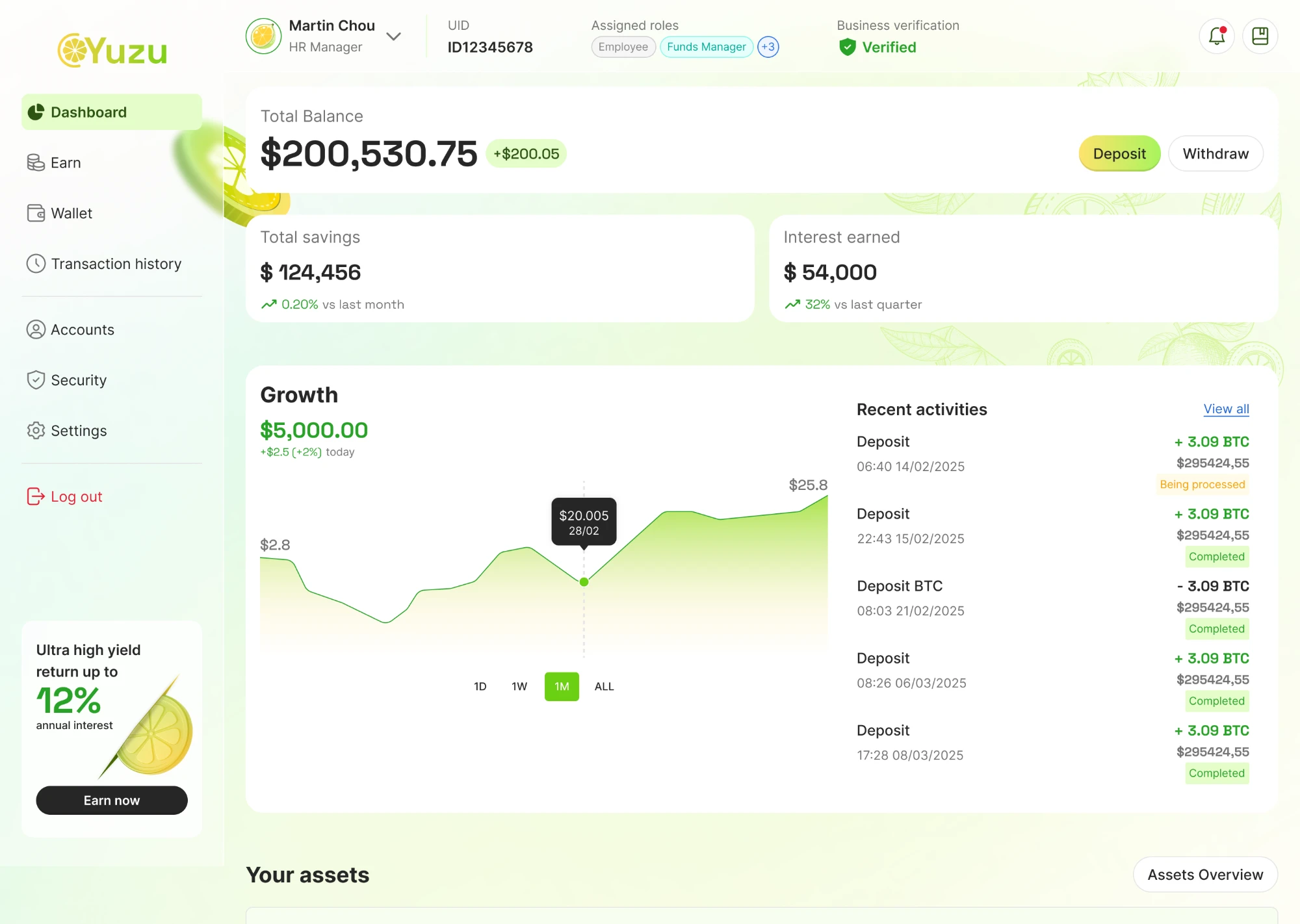
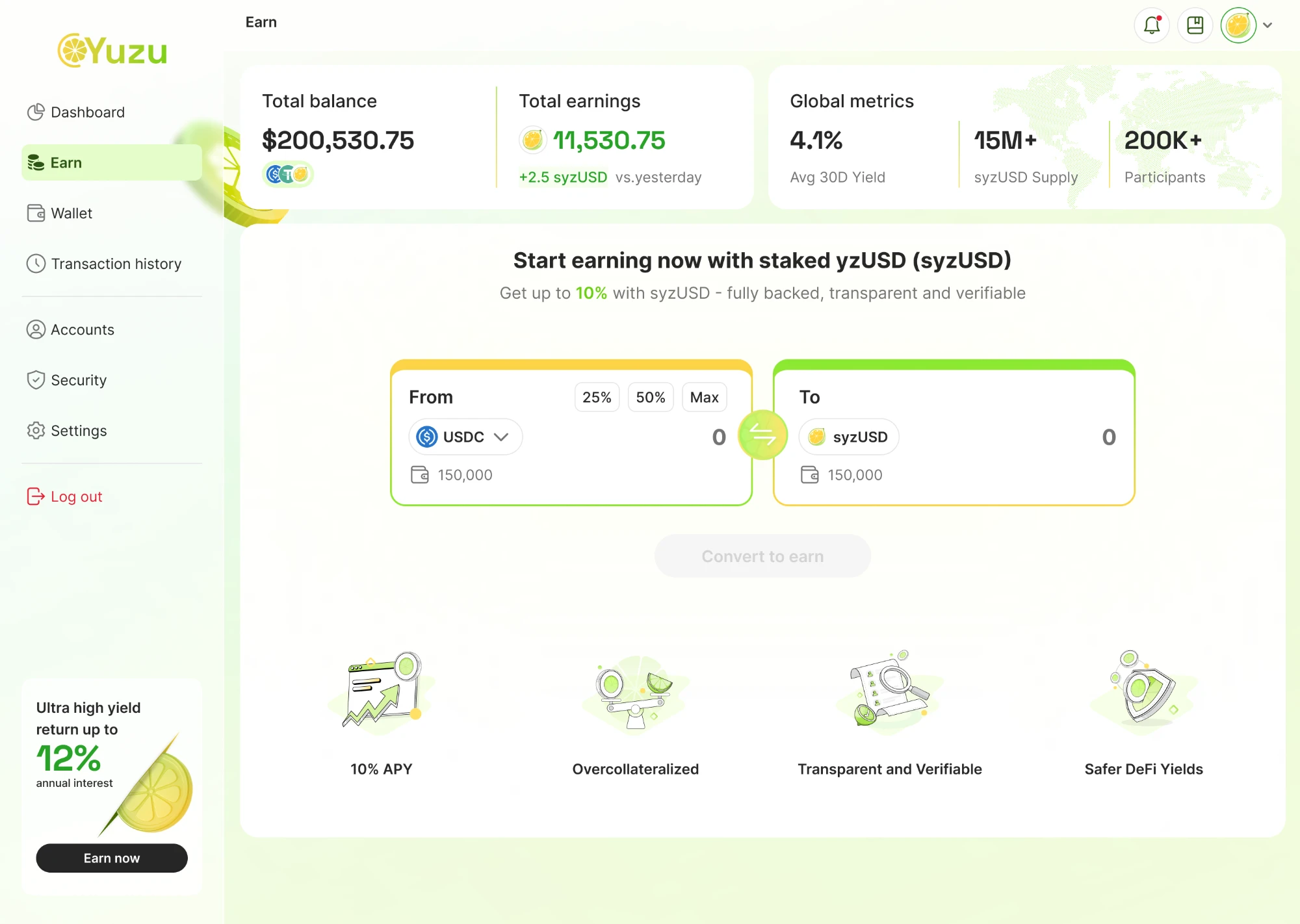
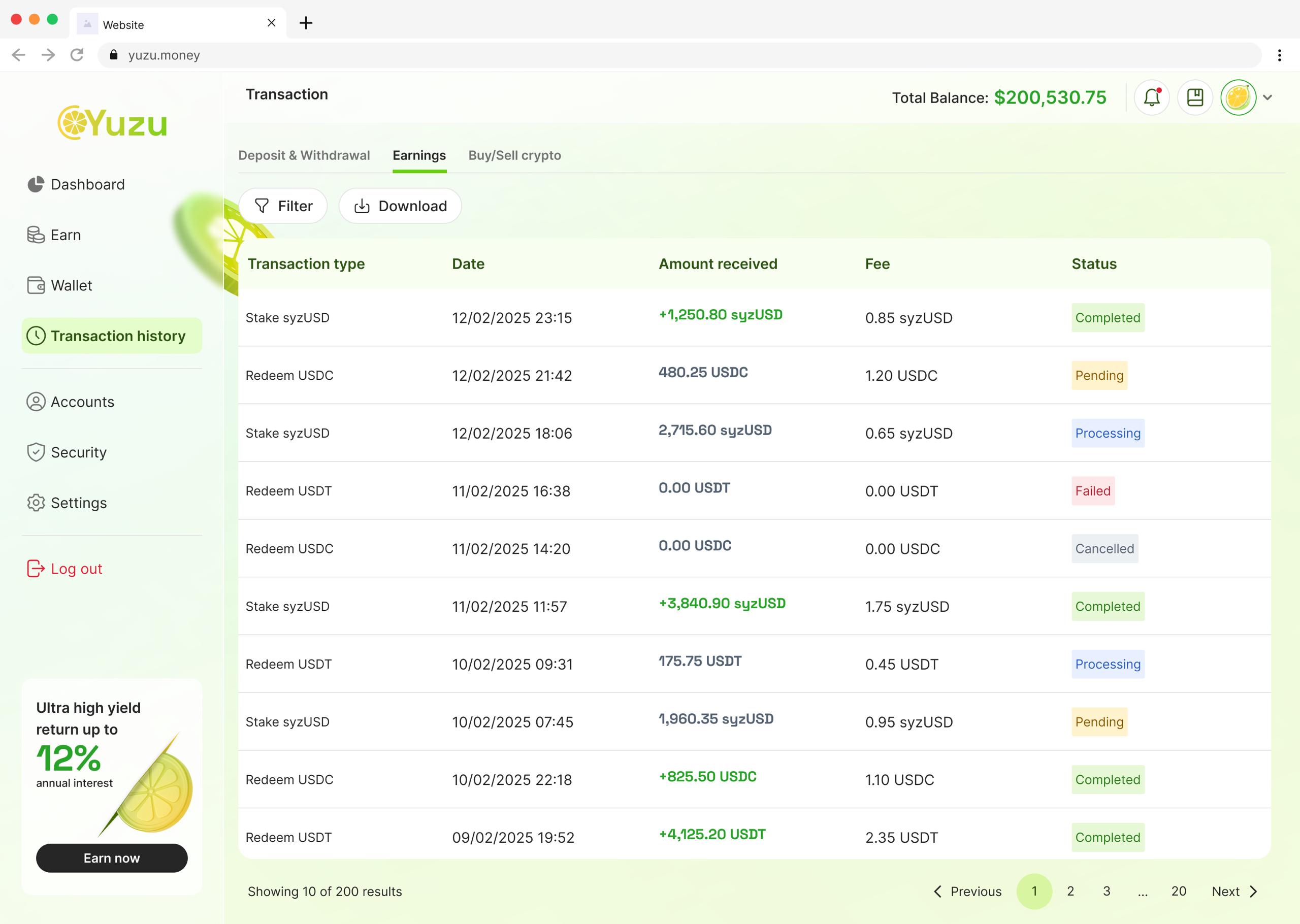
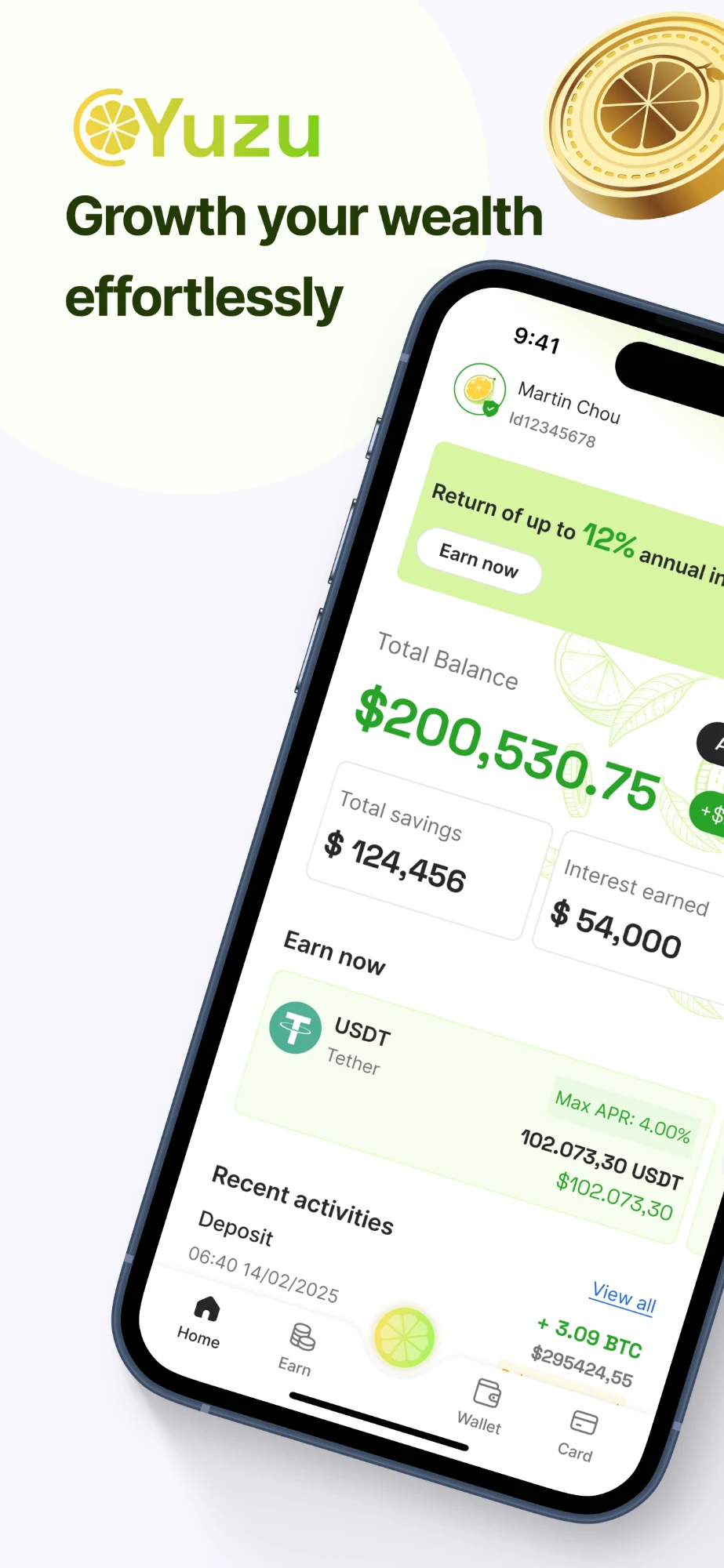
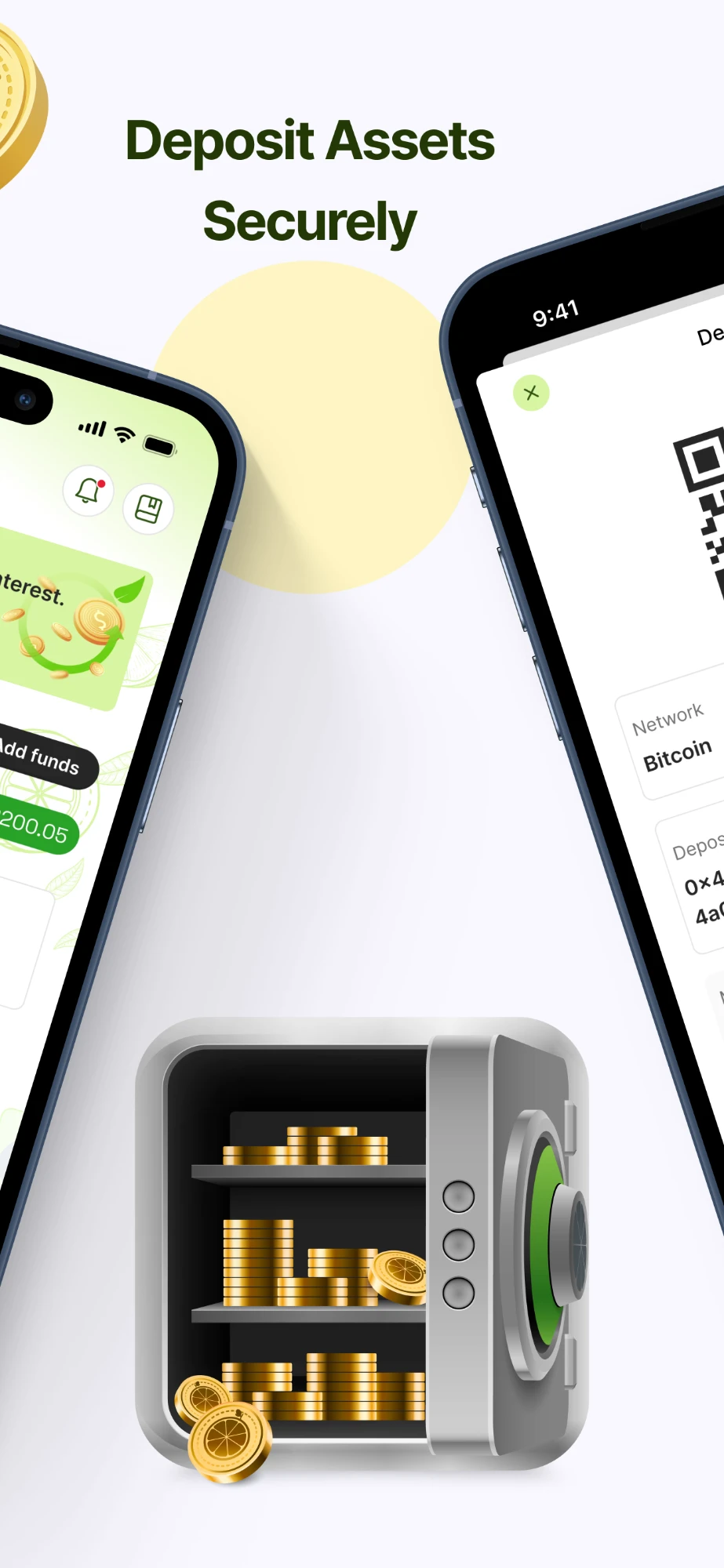
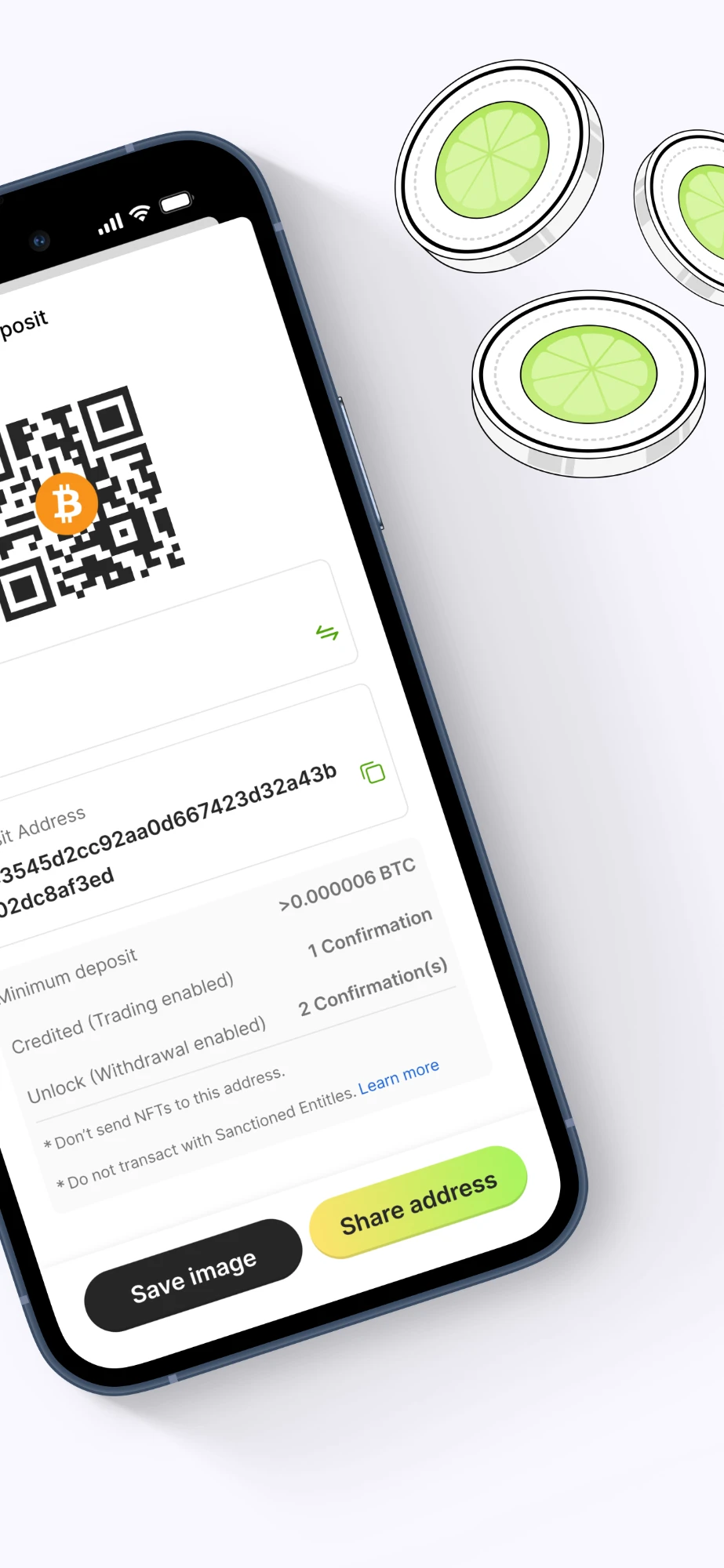
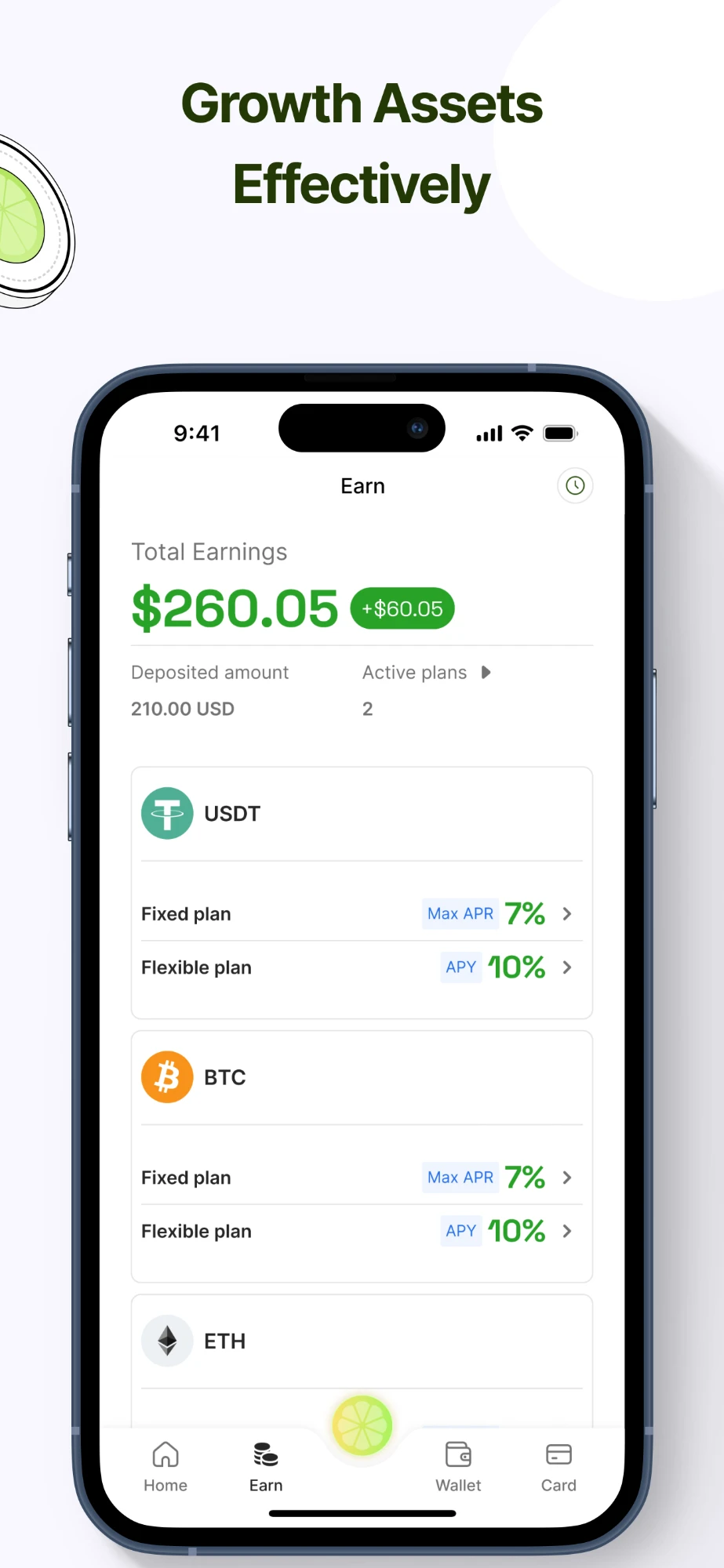
The member dashboard, the earn flow, and the transaction history behind both.
Discovery before specification
Before a feature was specced we watched people do the job it replaces. The spec usually changes after that, and it is cheaper to change it then.
A shared channel, not an account manager
The client had a channel with the engineers writing the code, and a standing invitation to the morning standup.
Something on staging every week
Work was judged by using it rather than by reading a percentage. Two-week plans, re-planned on Fridays, so a wrong assumption cost a sprint instead of a quarter.
Reviewed, tested, handed over
Every change was read by a second engineer before it merged. Tests, a README and a recorded walkthrough came with the handover.